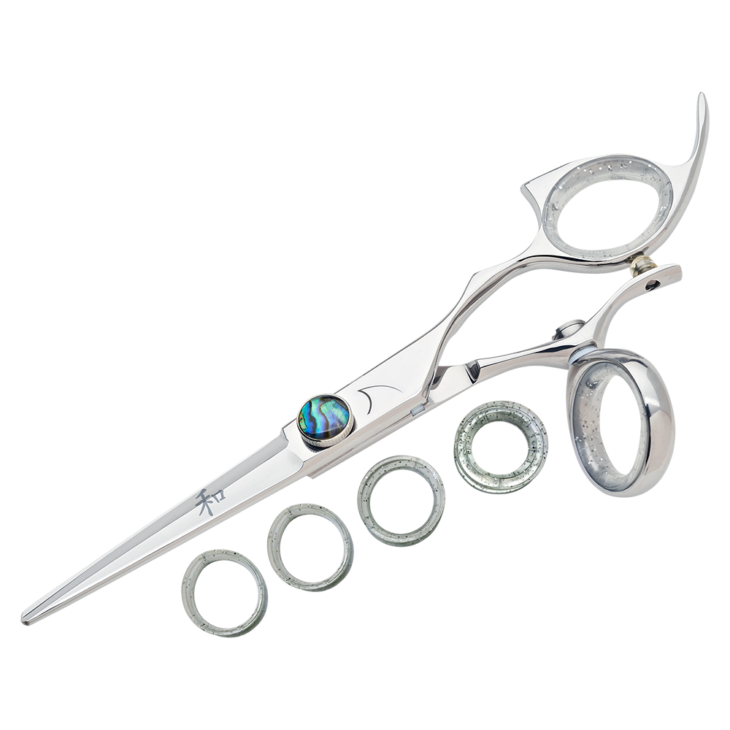
Your Guide to Ergonomic Hair Cutting Scissors
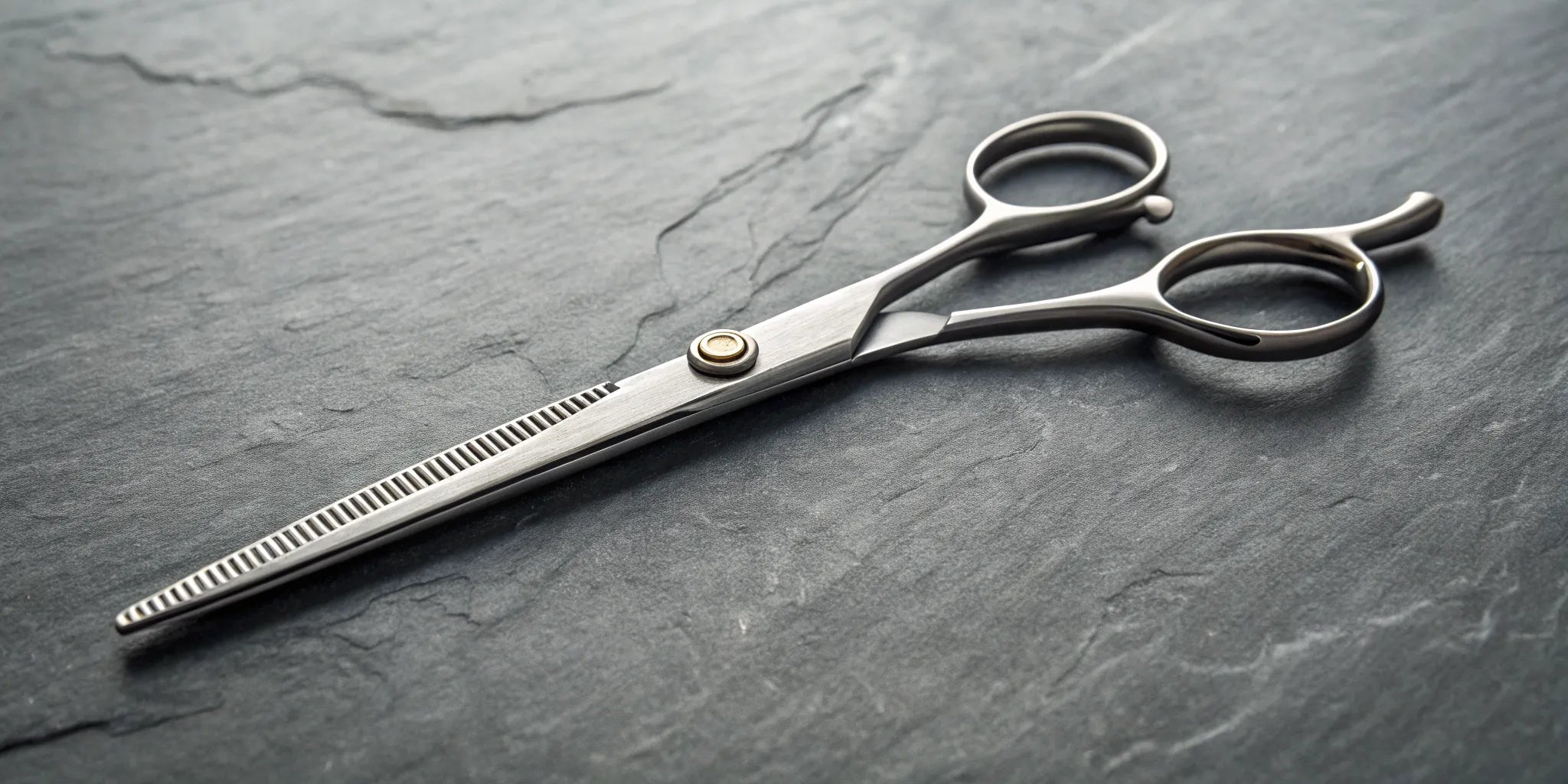
That familiar ache in your hand, the stiffness in your wrist, the nagging pain in your shoulder after a long day—we’re often told it’s just part of the job. But what if it’s not? What if the very tool you hold for hours is working against you? The truth is, traditional shears can force your body into unnatural positions, leading to fatigue and long-term injury. This is where the science of ergonomics comes in. This guide is about understanding what ergonomic hair cutting scissors are and how their design can fundamentally change your daily comfort and protect your career for years to come.
Key Takeaways
- Think of ergonomic shears as career insurance: The daily strain from traditional shears adds up, leading to injuries that can shorten your career. Investing in a tool designed for your body is a proactive step to prevent pain and protect your livelihood for years to come.
- Match the handle design to your daily work: The right ergonomic shear depends on your cutting style and physical needs. Consider a crane handle to relieve shoulder tension, a swivel for maximum mobility with detailed cuts, or an offset handle for a comfortable, all-around upgrade.
- Improve your craft by reducing physical strain: A comfortable hand is a steady hand. Ergonomic shears eliminate the struggle against your tools, giving you more control and stability to execute precise techniques and focus entirely on your artistry.
What Are Ergonomic Shears?
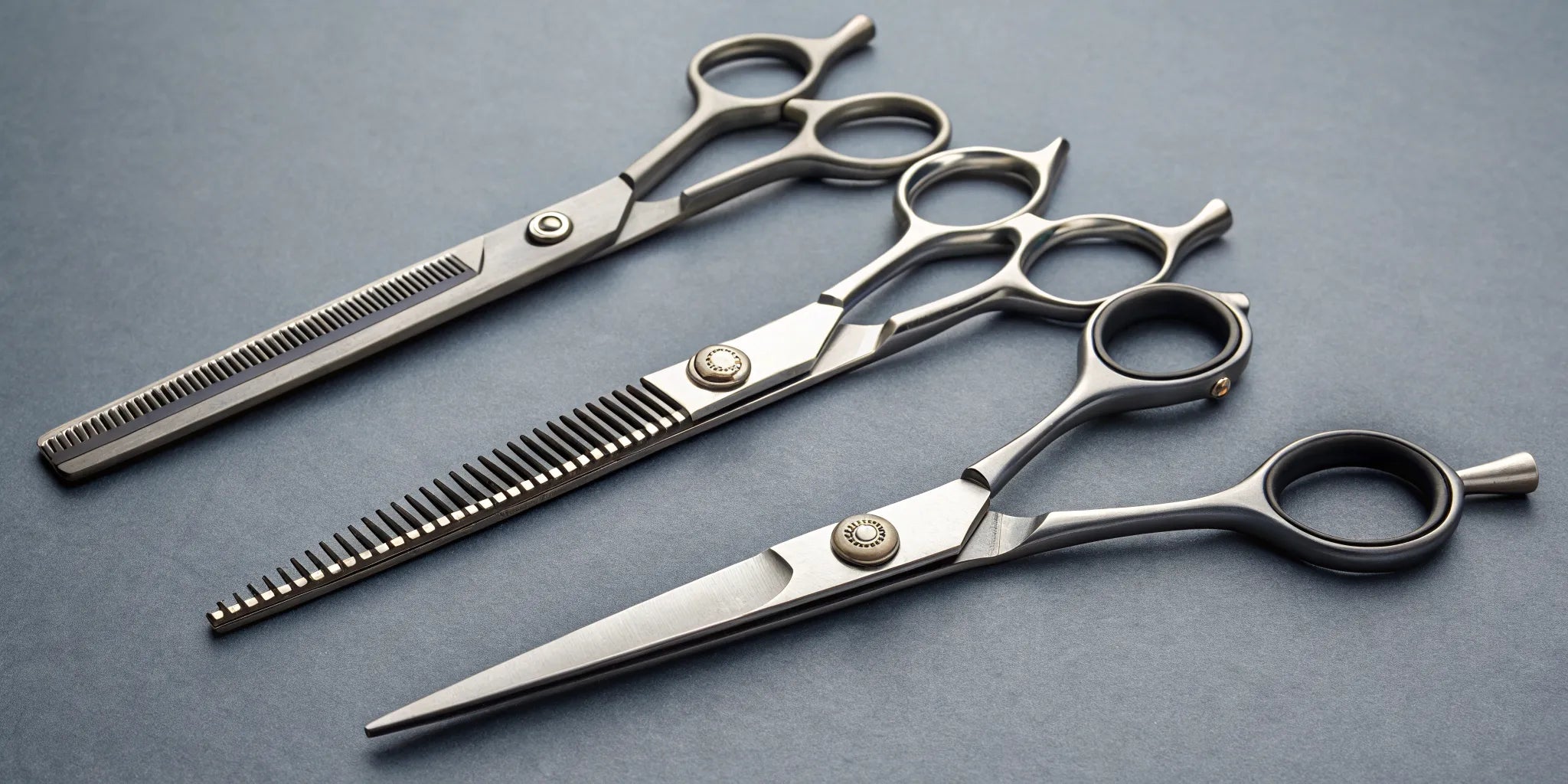
Let's start with the basics. The word "ergonomics" might sound technical, but it's really simple: it’s about designing tools to fit the human body comfortably and efficiently. Think of it as the science of making your work easier and safer. When we talk about ergonomic shears, we're talking about hair-cutting scissors designed specifically for you, the stylist. They have a more rounded shape and offset rings, all created to reduce the strain on your hand, wrist, arm, and even your shoulder and back while you cut.
These shears aren't just a random new design. They are the result of studies on hairdressers and the physical demands of cutting hair all day long. The main goal is to allow you to work in a more natural, relaxed position. This helps prevent the aches, pains, and serious injuries that can unfortunately shorten a stylist's career. Instead of forcing your body to adapt to a poorly designed tool, ergonomic shears adapt to you. This gives you more comfort and control behind the chair, so you can focus on your craft without worrying about the physical toll.
How They're Different From Traditional Shears
The biggest difference you'll notice is in the handle. Traditional shears usually have straight, symmetrical handles with level finger and thumb rings. This design forces you to use your middle finger and thumb, often causing you to raise your elbow and put your wrist at an awkward angle. When you repeatedly move your thumb out of its natural position, you can cause inflammation and pressure on the nerves in your wrist.
Ergonomic shears, on the other hand, feature offset or crane-style handles. The thumb ring is positioned closer to the blades than the finger ring. This simple change allows your hand to stay in a more open, relaxed position and lets you drop your elbow. It’s a small adjustment in design that makes a huge difference in how your hand, wrist, and arm feel at the end of a long day.
Why This Design Difference Matters
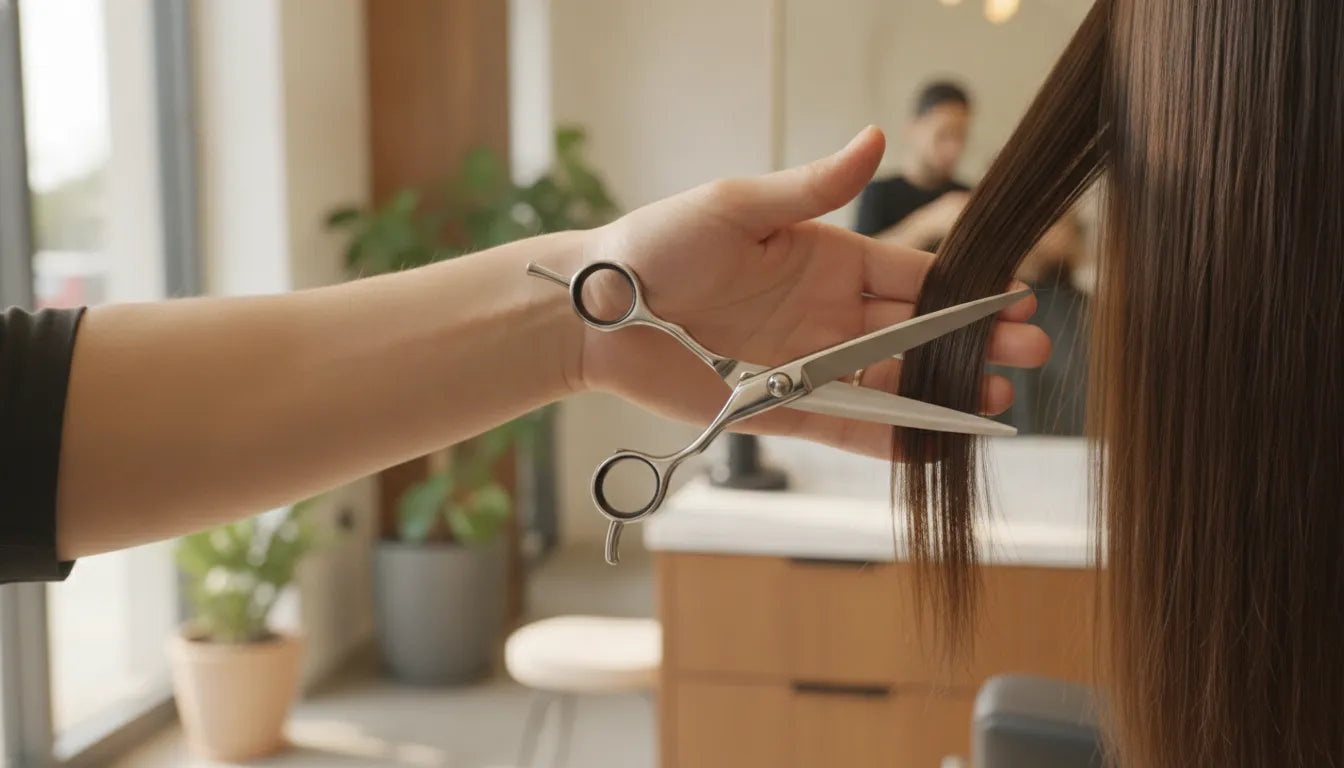
This design shift is about so much more than just feeling comfortable. When your hand is in a more natural position, your entire posture can improve. You’re not hiking your shoulder up or bending your wrist at a sharp angle to get the cut right. This relaxed posture gives you better balance and stability, which translates directly into more control and precision in your work. You can execute intricate techniques with greater ease because your tool is working with you, not against you.
Ultimately, this matters for the health and longevity of your career. Using ergonomic shears helps prevent repetitive strain injuries like carpal tunnel syndrome and tendonitis. By reducing daily strain, you protect your most valuable assets: your hands. You can see how different grips affect your cutting technique by watching some of the free educational videos on the Shark Fin Shears YouTube channel.
The Real Cost of Using the Wrong Shears
As a stylist, your hands are your most valuable asset. But the very tools you use to create beautiful work can also cause significant harm if they aren’t designed with your body in mind. Using the wrong shears is more than just a bad habit; it’s a direct threat to your physical well-being and the longevity of your career. The aches and pains you might dismiss as just part of the job are often warning signs of deeper issues caused by poor ergonomics. Over time, the cost isn't measured in dollars, but in chronic pain, missed work, and a career cut short.
Common Injuries from Non-Ergonomic Shears
If you’ve ever finished a long day behind the chair with an aching hand or a numb thumb, you’ve felt the effects of non-ergonomic shears. Traditional shears force your hand, wrist, and thumb into unnatural positions. That constant opening and closing motion puts immense strain on your joints. When your thumb is repeatedly moved out of its neutral position, ligaments can swell and put pressure on the nerve that runs through your wrist. This is a primary cause of Carpal Tunnel Syndrome, a condition that leads to pain, tingling, numbness, and weakness in the hand. It’s a clear signal that your tools are creating strain instead of providing support.
How Repetitive Strain Builds Over Time
That initial discomfort in your hand is often just the first symptom. The problem with non-ergonomic strain is that it’s cumulative. Think about how many times you open and close your shears in a single day, then multiply that over weeks, months, and years. This leads to Repetitive Motion Injuries (RMIs), which don’t just affect your hand. The strain can travel up your arm, causing stiffness and chronic pain in your wrist, elbow, shoulder, and even your neck and back. This isn't an injury that happens overnight; it’s a slow burn that can eventually force you to reduce your hours, turn down clients, or even leave the profession you love.
What to Look For in Ergonomic Shears
When you start shopping for ergonomic shears, you'll see a lot of different terms and designs. It's more than just a label; true ergonomic design is about specific features working together to support your body. Understanding these features will help you find a tool that feels like a natural extension of your hand, not something you have to fight against all day. From the handle shape to the blade balance, every detail matters. Let's break down the key components to look for so you can make an informed choice that protects your hands and refines your craft.
Offset Handles
An offset handle is one of the most common ergonomic designs and a great first step away from traditional, even-handled shears. With an offset grip, the thumb ring is shorter and set further in than the finger ring. This small change allows you to cut with a more open and relaxed hand, reducing how far your thumb has to stretch. This simple adjustment lessens the strain on the tendons in your hand and wrist, which can make a huge difference over a long day of cutting. It’s a fundamental feature that promotes a more natural hand position and helps prevent fatigue.
Swivel Thumb Rings
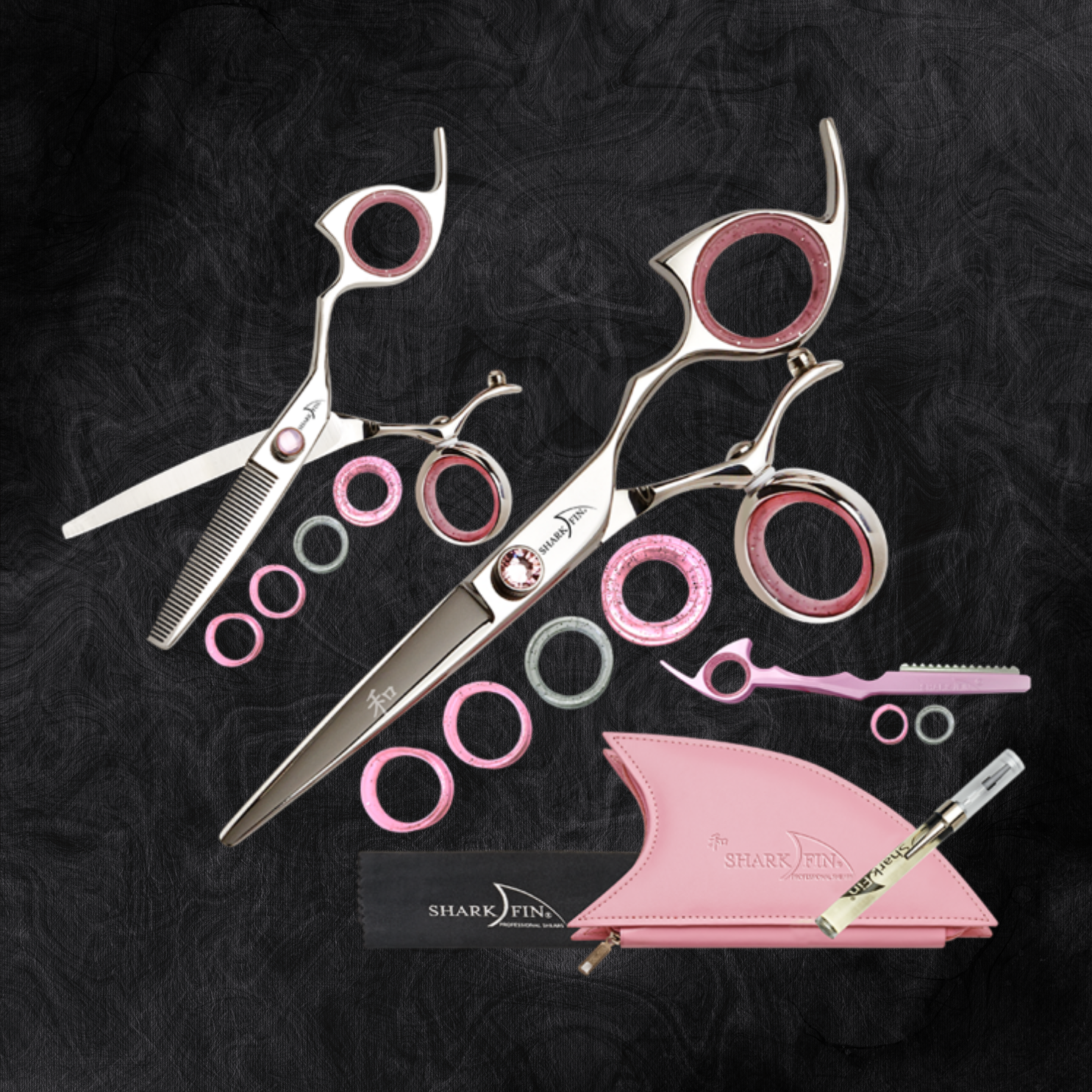
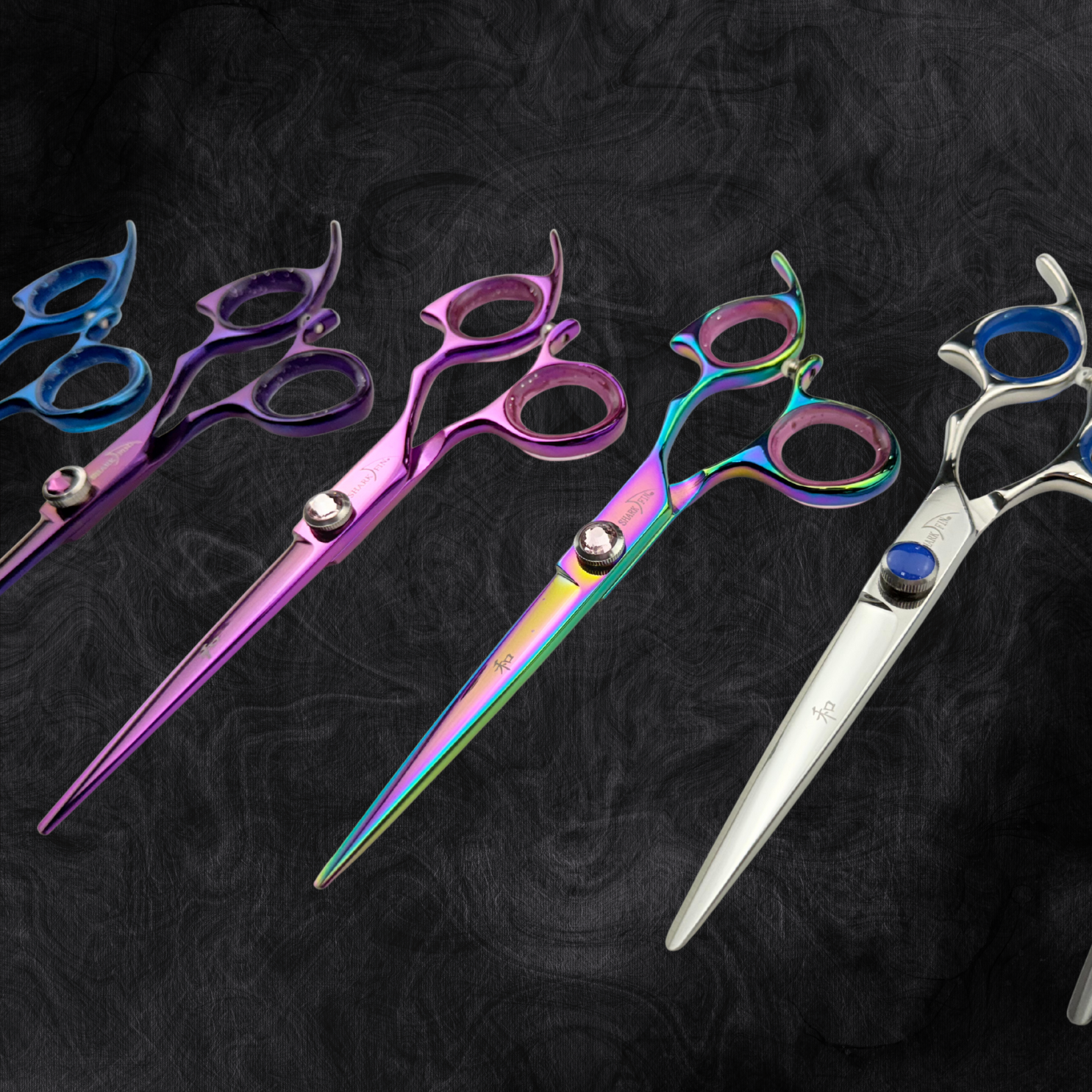
For the ultimate freedom of movement, nothing compares to a swivel thumb ring. This design allows the thumb ring to rotate a full 360 degrees, so your hand can stay in a comfortable, neutral position no matter what angle you’re cutting at. Think about complex techniques like slide cutting or deep point cutting; a swivel shear lets you maneuver the blade without contorting your wrist, elbow, or shoulder. This level of mobility is a game-changer for preventing repetitive strain injuries. You can see our patented swivel thumb design in action to understand how it can completely change your cutting posture and comfort.
Crane Grip Design
If you struggle with shoulder or neck pain, a crane grip handle could be your solution. In this design, the top handle shank is straight, while the bottom handle shank is angled sharply downward. This forces your elbow to drop into a lower, more natural position while you cut. By keeping your elbow down, you release the tension that typically travels up your arm and settles in your shoulder and neck. It’s a powerful design for stylists who spend hours with their arms raised. A crane grip is specifically engineered to combat upper body strain, making it a top choice for career longevity.
Weight, Balance, and Blade Material
The physical feel of a shear is just as important as its handle design. A shear shouldn't be so heavy that it causes fatigue, nor so light that it feels unstable. The ideal weight is a personal preference, but the balance is universal. A well-balanced shear will feel centered in your hand, giving you effortless control. The blade material also plays a huge role. High-quality Japanese or German steel not only holds a sharper edge for longer but is also often lighter, contributing to better overall balance. A sharper blade means you use less force for each cut, further reducing hand strain.
Adjustable Tension and Finger Rests
Two smaller features that make a big impact are the tension system and the finger rest. An easily adjustable tension screw allows you to set the shear to your exact preference, ensuring the blades move smoothly without requiring extra force from your hand. If the tension is too tight, you’ll be fighting the shear with every snip. The finger rest, or tang, provides a resting spot for your pinky finger. This gives you more stability, control, and leverage while cutting. While some are removable, a fixed, ergonomic tang offers consistent support and helps distribute pressure away from your other fingers.
Offset vs. Crane vs. Swivel: Which Handle Is Right for You?
Walking into the world of ergonomic shears can feel like learning a new language. Suddenly, you’re faced with terms like offset, crane, and swivel, and it’s not immediately clear which one is your perfect match. The truth is, there’s no single "best" handle design; there’s only the one that’s best for you. The right choice depends entirely on your cutting habits, your physical needs, and even the size of your hands. Making the right selection is a critical step in protecting your body from the daily strain of your craft and ensuring you can have a long, healthy career behind the chair.
Think of it this way: an offset handle is a fantastic step up from traditional straight shears, putting your hand in a more relaxed position. A crane handle takes that concept even further, allowing you to drop your elbow for greater comfort, especially during long days. And a swivel handle? That’s all about maximum freedom of movement, allowing your thumb to rotate and follow your hand’s natural motion. Each design addresses a different aspect of physical stress. Choosing the wrong one can still lead to discomfort, while the right one can feel like it was made just for you. To figure out your ideal fit, we need to look at two key factors: how you cut and how your hand is built. Let's break down what that means for you and your career.
Match Your Handle to Your Cutting Style
The techniques you use most often should guide your choice of handle. If you spend your days doing a lot of blunt or straight-line work, you need a shear that supports a stable, comfortable elbow and wrist position. The most common ergonomic design you'll find is the offset handle, which brings the thumb ring slightly forward. This simple change allows for a more natural hand position and reduces the strain that builds up over a long day of cutting.
For stylists who want to keep their elbow in an even lower, more relaxed position, the crane handle is an excellent choice. It exaggerates the drop of the top blade, which helps reduce tension in your shoulder and neck. If your work involves more intricate techniques like point cutting or slide cutting, a swivel shear is your best friend. The rotating thumb ring gives you incredible mobility, allowing you to change your hand angle without twisting your wrist. This freedom helps you execute advanced cutting techniques with precision and less physical stress.
How Hand Size Factors In
Shears are not a one-size-fits-all tool. The way a handle fits your specific hand is just as important as its ergonomic design. The length of the handles and the placement of the finger rings are crucial, as the right fit gives you better comfort and control. If you have smaller hands and you’re using a shear with rings that are too large or far apart, you’ll find yourself straining just to maintain a proper grip, which leads to fatigue and a loss of precision.
On the other hand, if your fingers are crammed into rings that are too small, your movement will be restricted, and you’ll likely experience cramping and discomfort. The goal is to find a pair of shears that feels like a natural extension of your hand, not something you have to fight against. This is where the personal side of ergonomics really comes into play. A well-fitting shear allows your hand to stay relaxed, giving you the control you need to do your best work without paying a physical price for it later.
Why Make the Switch to Ergonomic Shears?
As a stylist, your hands are your most valuable asset. You rely on them for every cut, blend, and detail. But what if the very tools you use every day are causing silent damage? Traditional shears often force your hand, wrist, and arm into unnatural positions, leading to discomfort and fatigue that can build over time. Making the switch to ergonomic shears isn't just about buying a new tool; it's a fundamental investment in your health, your craft, and the longevity of your career.
Ergonomic shears are designed with your body in mind. They work with you, not against you, allowing for a more natural hand position that reduces strain. This simple change can make a world of difference, helping you feel better at the end of a long day. Beyond comfort, this improved design gives you greater precision and control over your cuts. When you’re not fighting your tools, you can focus entirely on your artistry, creating the clean lines and seamless textures your clients love. It’s about protecting your body while perfecting your technique.
Reduce Hand, Wrist, and Shoulder Pain
Think about how many times you open and close your shears during a single haircut, then multiply that by a full day of clients. That repetitive motion with traditional shears puts incredible strain on the small muscles and joints in your thumb and hand. This tension doesn't just stay in your hand; it travels up your arm, leading to persistent wrist, elbow, and even shoulder pain. It’s the kind of ache that can make a busy Saturday feel endless.
Ergonomic shears are designed to break this cycle. By aligning your thumb and fingers in a more relaxed, neutral position, they relieve the pressure on your joints. A crane or offset handle, for example, lets you drop your elbow and shoulder, reducing the tension that can lead to knots and soreness in your upper body. This small adjustment in your tool makes a huge impact on your daily comfort.
Prevent Injury and Protect Your Career
That nagging ache in your wrist isn't just an annoyance; it can be an early warning sign of a more serious, career-threatening condition like carpal tunnel syndrome or a repetitive strain injury (RSI). These injuries develop when ligaments swell from repetitive, unnatural movements, putting pressure on critical nerves. Using shears with a non-ergonomic, opposing grip forces your thumb into an awkward position with every single snip, directly contributing to this risk over time.
Switching to ergonomic shears is one of the most important preventative steps you can take to protect your career. Designs like an offset thumb ring keep your hand in a more neutral state, drastically reducing the strain that leads to injury. Think of it as insurance for your hands. By pairing an ergonomic tool with proper cutting techniques, you actively safeguard your body from the wear and tear of the job, ensuring you can keep creating for years to come.
Gain More Control and Precision
When your hand is comfortable and relaxed, your cutting becomes more fluid and precise. It’s that simple. Fighting against hand fatigue and strain takes a toll on your stability, making it harder to achieve those razor-sharp lines and delicate details. Ergonomic shears eliminate that struggle, freeing you up to focus completely on the cut. The improved design gives you a level of control that feels like a natural extension of your hand.
This enhanced control directly translates to better results. With a relaxed grip, you can execute intricate techniques with greater confidence and accuracy. Whether you’re point cutting, slide cutting, or doing detailed work around the ears, your movements will be steadier and more deliberate. Tools like swivel thumb shears offer maximum mobility and control, allowing you to approach your work from any angle without contorting your wrist. When your shears work with you, your creativity can truly flow.
Common Myths About Ergonomic Shears
When it comes to the tools of our trade, there's a lot of chatter. You might have heard stylists in the breakroom or seen comments online that make you question if they're really worth it. Let's clear the air and tackle some of the most common myths I hear about ergonomic shears. Understanding the truth can make a huge difference for your hands, your work, and the length of your career.
"Ergonomics is just a marketing gimmick."
It’s easy to be skeptical of buzzwords, but ergonomics is far from a gimmick. It’s the actual science of designing tools to fit the human body for maximum efficiency and comfort. Think about it: a handle that fits your hand naturally isn't a sales tactic; it's just smart design. Ergonomic shears empower you to maintain better posture and reduce strain on your muscles and joints. This translates directly to more control over your cuts and less fatigue at the end of a long day. A tool designed to prevent injury and help you do your job better isn't a gimmick; it's a necessity for any serious professional.
"Any pair of scissors will do the job."
Technically, yes, any pair of shears can cut hair. But a painter could also use a toothbrush instead of a fine-tipped brush. The question isn't if it works, but how well it works and what the cost is to your body. The design of your shears is responsible for how convenient and comfortable they are to use. Traditional, non-ergonomic shears force your hand, wrist, and elbow into unnatural positions. While you can still complete a cut, you’re putting unnecessary stress on your body with every snip. Choosing an ergonomic design means you’re not just cutting hair; you’re working smarter and protecting your primary asset: your hands.
"I don't cut enough hair to need them."
This is one of the most dangerous myths because career-ending injuries don't happen overnight. They are the result of repetitive strain that builds up over months and years. Even if you only have a few clients a day, you are still making thousands of repetitive cutting motions. Every time your thumb moves in a non-neutral position, you risk causing ligaments to swell, which can put pressure on the nerve in your wrist. Using ergonomic shears isn't just for stylists who are already in pain. It's a preventative measure to ensure you can have a long, healthy, and pain-free career behind the chair, no matter what stage you're at.
How to Choose Your Next Pair of Shears
Picking out a new pair of shears is a big deal. It’s one of the most important investments you’ll make in your craft and your career. With so many options available, the process can feel a little overwhelming, but it really comes down to one thing: finding the pair that feels like an extension of your own hand. The right shears should support your body, not work against it. Instead of just looking at blade length or brand names, let's focus on the handle design, which is where the real magic of ergonomics happens.
The three main ergonomic handle styles you’ll encounter are swivel, crane, and offset. Each one is designed to put your hand, wrist, and arm in a more natural position, but they all do it a little differently. Understanding these differences is the key to choosing a tool that will help you cut with more precision and comfort, day in and day out. Your cutting style, hand size, and any existing aches or pains will all point you toward the perfect fit. Let’s break down what makes each handle unique so you can make a confident choice for your next pair.
For Maximum Mobility: Swivel Shears
If you’re looking for the ultimate ergonomic experience, swivel shears are it. These shears feature a thumb ring that rotates a full 360 degrees, giving you complete freedom of movement. This design allows your thumb to move in its most natural way, which significantly reduces the strain that travels up your arm and into your shoulder. You can change your cutting angle and hand position without bending your wrist into uncomfortable positions.
This incredible flexibility makes swivel shears a game-changer for stylists who do a lot of detailed work, like point cutting or slide cutting. They are also an excellent choice if you already feel pain in your wrist, elbow, or shoulder. The patented swivel design from Shark Fin helps you maintain a relaxed, neutral posture, allowing you to work more comfortably for longer and protect your body from repetitive strain.
For a More Natural Hand Position: Crane Handle Shears
Think of the crane handle as the design that encourages your whole arm to relax. Its most distinct feature is a downward-angled finger ring paired with a thumb ring that is moved further forward. This setup allows you to drop your elbow to a lower, more comfortable position while you cut. Keeping your elbow down is a simple change that makes a huge difference, as it prevents the shoulder shrugging that leads to neck and shoulder pain.
This design is perfect for stylists who spend long days behind the chair and want to proactively prevent fatigue. The crane handle promotes a more open and neutral hand position, which reduces tension in your tendons. While many shears use this principle, the Shark Fin handle was specifically engineered to give you these benefits, ensuring your hand and arm stay relaxed, even during the busiest of days.
For a Classic Feel with Better Ergonomics: Offset Shears
If you’re used to traditional, even-handled shears, the offset handle is a fantastic first step into the world of ergonomics. This design features a shorter thumb handle and a slightly angled thumb ring, which means you don’t have to raise your elbow as high to cut. It’s one of the most common ergonomic styles because it offers a more natural hand position without feeling dramatically different from what you might be used to.
This subtle shift allows your hand to remain more open and relaxed, reducing the risk of wrist strain over time. An offset handle is a great choice for stylists who want to start protecting their hands but prefer a more classic feel. It provides a noticeable improvement in comfort while still feeling familiar. Many stylists find that making this simple switch is all they need to reduce daily fatigue and keep their hands feeling great.
How Much Should You Expect to Pay?
When you start shopping for ergonomic shears, you'll see a wide range of prices. It can be a little jarring at first, but it helps to think of this purchase as an investment in your most important tool: your body. The price of a pair of shears reflects the quality of the steel, the precision of the craftsmanship, and the complexity of the ergonomic design. Let's break down what you can expect to pay and why a quality pair of shears is one of the smartest investments you can make for your career.
Entry-Level vs. Professional-Grade Shears
You can find basic professional shears starting in the $300 to $350 range. These are a solid starting point, but as you move into high-end shears, which can cost $700 or more, you're paying for superior materials and advanced design. Premium shears are typically made from higher-quality Japanese steel, which holds a sharper edge for longer. They also feature more refined ergonomic elements, like patented handle designs that provide exceptional comfort and control. While the initial cost is higher, these professional-grade shears often last longer and perform better, making them a reliable tool for a busy stylist.
Why Quality Shears Are a Career Investment
Spending hundreds of dollars on scissors might feel like a lot, but the cost of not using ergonomic tools can be much higher. Think about it: your hands, wrists, and shoulders are your livelihood. Using the wrong shears day after day can lead to chronic pain, carpal tunnel syndrome, and other repetitive strain injuries that could force you to take time off or even end your career prematurely. Choosing the right ergonomic shears is a proactive step to protect your health. It's an investment that pays you back by allowing you to work more comfortably, prevent injury, and extend the life of your career.
How to Transition to Ergonomic Shears
Making the switch to ergonomic shears is one of the best moves you can make for your body and your career, but let’s be honest: change can feel a little strange at first. After years of using the same style of shears, your hands have developed a specific muscle memory. A new, ergonomic design will feel different, and that’s completely normal.
Think of it less as starting over and more as upgrading your technique. The goal is to unlearn habits that cause strain and replace them with movements that support a long, healthy career behind the chair. With a little patience and the right approach, your new shears will soon feel like a natural extension of your hand.
Give Yourself Time to Adjust
Be patient with yourself during the transition period. Ergonomic shears, especially those with offset or swivel thumb rings, are designed to put your hand in a more neutral position, which can feel unfamiliar if you’re used to a traditional grip. Don't expect to feel 100% comfortable on your first day. Instead of switching over completely, try using your new shears for one or two haircuts a day.
As your hand adjusts, you can gradually increase how often you use them. This gives your muscles time to adapt without feeling overwhelmed. Soon, you’ll find that the new grip becomes second nature, and you’ll wonder how you ever worked without it. Exploring different ergonomic shear designs can also help you understand which features will best suit your cutting style.
Find Helpful Training and Resources
You don’t have to figure it all out on your own. The best way to speed up your adjustment period is to learn from experts who can show you how to hold and use your new shears correctly. Understanding the principles behind the ergonomic design will help you get the most out of your new tool and appreciate how it works to reduce strain on your body.
Look for videos and tutorials that demonstrate proper technique with ergonomic shears. Our Shark Fin Shears YouTube channel is packed with free educational content designed to help stylists like you master their craft while protecting their hands. Watching a quick video can provide that "aha" moment that makes everything click, ensuring you build good habits from the start.
Frequently Asked Questions
I already have some wrist pain. Is it too late to switch to ergonomic shears? It's absolutely not too late; in fact, it's the perfect time to make a change. Pain is your body's way of telling you that your current setup isn't working. Switching to an ergonomic design, particularly a crane or swivel handle, can immediately take the pressure off the joints and tendons that are causing you discomfort. By allowing your hand and arm to work in a more natural position, you give your body a chance to recover instead of continuing to aggravate the issue. It's a powerful step toward feeling better and protecting your future behind the chair.
Swivel shears look intimidating. Are they difficult to get used to? I hear this concern often, but the adjustment period is much shorter than you might think. While they look different, the swivel thumb is designed to follow your hand's natural range of motion, so in many ways, it's a more intuitive way to work. The key is to be patient with yourself. Try using them for just one or two haircuts a day at first. You'll quickly notice that the freedom of movement allows you to approach difficult angles without contorting your wrist, making your work both easier and more precise.
I’m just starting out and on a budget. Should I still invest in ergonomic shears? I completely understand watching your budget, especially early in your career. The best way to think about this is as an investment in your ability to earn an income for decades to come. Starting with the right tools helps you build good habits from day one and can prevent the painful injuries that might force you to cut back on hours later. You don't have to buy the most expensive pair on the market, but choosing a quality ergonomic shear now is one of the smartest financial decisions you can make for your future self.
How can I tell if my current shears are the source of my hand or shoulder pain? There are a few clear signals. First, notice how you feel at the end of a busy day. Are you experiencing numbness or tingling in your thumb and fingers? Is there a persistent ache in your wrist, elbow, or even your shoulder and neck? Next, watch your posture in the mirror as you cut. If you see that your elbow is hiked up high or your wrist is bent at a sharp angle, your shears are forcing your body into a stressful position. A well-designed tool should help you keep your joints in a relaxed, neutral alignment.
Will ergonomic shears really make my cutting better, or are they just for comfort? They absolutely do both, because comfort and performance are directly connected. When your hand isn't tense and fighting against your tool, you have far more stability and stamina. This allows you to execute techniques with greater precision, whether you're creating sharp, clean lines or doing delicate texturizing. A relaxed grip gives you the fine motor control you need to produce your best work. So while you will definitely feel more comfortable, you'll also see the results in the quality and consistency of your haircuts.